
Skip to content

WELCOME TO OUR STORE

SUPPORT OUR WORK

  • HOME
  • MAGAZINE
    • CURRENT ISSUE
    • ALL ISSUES
    • FIND SELVEDGE
    • ORDER FAQS
  • SUBSCRIBE
    • FOR YOURSELF
    • FOR SOMEONE ELSE
    • FOR STUDENTS
    • FOR AN INSTITUTION
    • SUBSCRIBER FAQS
    • SUBSCRIBER ACCESS
  • STORIES
  • SHOP
    • SELVEDGE GOODS
    • MAGAZINES
    • BOOKS
    • ORDER FAQs
  • LEARN
    • BOOK A WORKSHOP
    • MEET THE MAKER
    • LISTEN TO A TALK
    • SLOW TV
    • TRAVEL WITH US
  • EVENTS
    • TEXTILE MONTH 2026
    • WINTER FAIR 2026
    • SELVEDGE TOURS
    • TEXTILE MONTH 2025
    • EVENT FAQS
  • COMMUNITY
    • JOIN OUR COMMUNITY
    • LISTEN TO A PODCAST
    • SELVEDGE OPEN STUDIO
    • VISIT A TEXTILE COLLECTION
    • SEE AN EXHIBITION
    • ENTER A PRIZE DRAW
    • MAKE A PROJECT
  • COLLABORATE
    • ADVERTISE WITH US
    • WORK WITH US
    • WRITE FOR US
    • WRITE FOR THE BLOG
    • BECOME A STOCKIST
  • OUR STORY
    • READ OUR STORY
    • GET TO KNOW US
    • READ ABOUT US
  • CONTACT US
Log in
  • Facebook
  • Pinterest
  • Instagram
  • YouTube
  • Vimeo
Selvedge Magazine
  • HOME
  • MAGAZINE
    • CURRENT ISSUE
    • ALL ISSUES
    • FIND SELVEDGE
    • ORDER FAQS
  • SUBSCRIBE
    • FOR YOURSELF
    • FOR SOMEONE ELSE
    • FOR STUDENTS
    • FOR AN INSTITUTION
    • SUBSCRIBER FAQS
    • SUBSCRIBER ACCESS
  • STORIES
  • SHOP
    • SELVEDGE GOODS
    • MAGAZINES
    • BOOKS
    • ORDER FAQs
  • LEARN
    • BOOK A WORKSHOP
    • MEET THE MAKER
    • LISTEN TO A TALK
    • SLOW TV
    • TRAVEL WITH US
  • EVENTS
    • TEXTILE MONTH 2026
    • WINTER FAIR 2026
    • SELVEDGE TOURS
    • TEXTILE MONTH 2025
    • EVENT FAQS
  • COMMUNITY
    • JOIN OUR COMMUNITY
    • LISTEN TO A PODCAST
    • SELVEDGE OPEN STUDIO
    • VISIT A TEXTILE COLLECTION
    • SEE AN EXHIBITION
    • ENTER A PRIZE DRAW
    • MAKE A PROJECT
  • COLLABORATE
    • ADVERTISE WITH US
    • WORK WITH US
    • WRITE FOR US
    • WRITE FOR THE BLOG
    • BECOME A STOCKIST
  • OUR STORY
    • READ OUR STORY
    • GET TO KNOW US
    • READ ABOUT US
  • CONTACT US
Log in Cart

Item added to your cart

Access Denied
IMPORTANT! If you’re a store owner, please make sure you have Customer accounts enabled in your Store Admin, as you have customer based locks set up with EasyLockdown app. Enable Customer Accounts
Hocine Bazine

Hocine Bazine

October 7, 2020
Share

All images (c) Hocine Bazine, Berber Art.

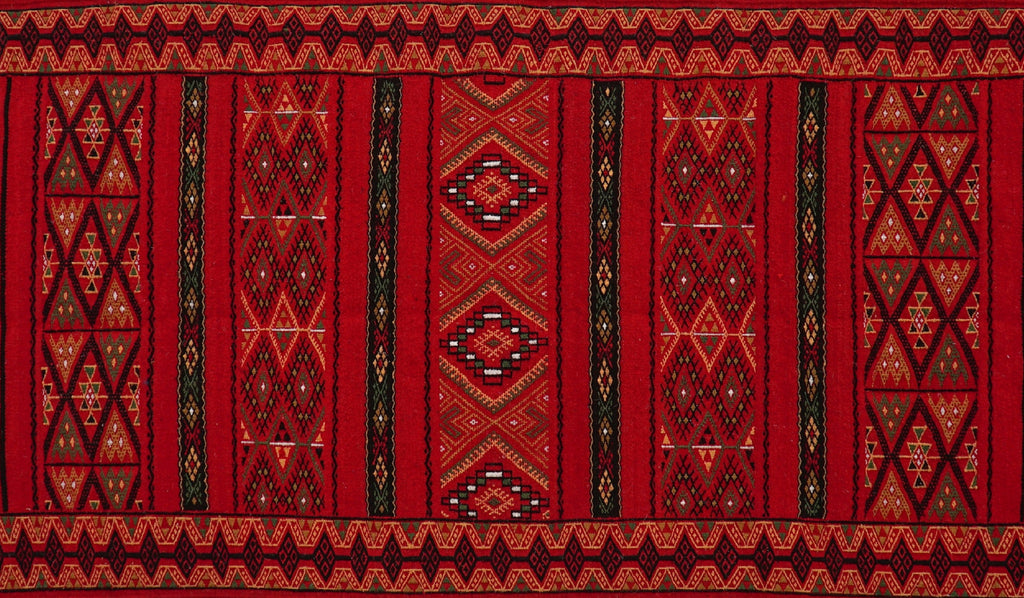
Hocine Bazine has been weaving Berber rugs since childhood. He learnt from his grandmother; starting with the different types of wool (whether the thread should be short or long and rough or thin), the dyeing process, and how and when to use undyed naturally colourful wool in its various shades from white up to yellow, from brown and grey up to black. Bazine is committed to making his rugs of the highest quality and with the least environmental impact: they are made with 100% sheep’s wool and pearl cotton fibres.
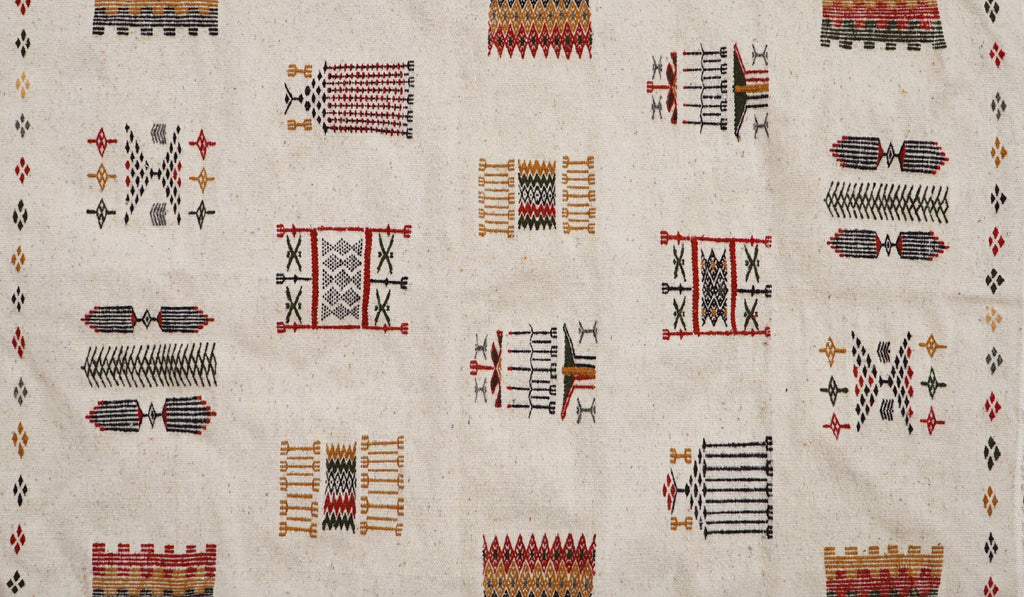
Berber rugs themselves have a long and complex history, ‘The rural rugs are woven on vertical looms by women using the wool of the local white and brown sheep to create intricate geometric designs in supplementary weft and weft float weave, with two-strand twining exclusively a characteristic of Berber weaving in the High Atlas Mountains,’ writes Joe Lewis in Selvedge, Issue 22. Bazine is from and works in the mountains in the heart of Algeria, in a city called Ghardaia also well-known as the "Pearl of Oasis". Weaving rugs was, and still is today, the main source of income for many families, but Bazine is also motivated by the notion of helping keep his culture alive, and to someday pass on this craft to his grandchildren. 

Bazine explains, “Ghardaia city is well-known for weaving Berber rugs. We inherited this noble art from our Berber ancestors as it was and is still today, the main source of income for families. Every house owns handloom and family members cooperate weaving rugs and usually take several weeks to finish weaving one rug. Some rugs take more than one month. Mother teaches her daughter to weave rugs. Bride’s mother and her grandmother weave rugs for her room and all bride’s relatives volunteer for weaving. When they finish weaving all rugs, they celebrate for finishing weaving. Maybe the people of Ghardaia change but Berber rugs never change because Berber rugs represents our culture and history. Berber rugs brought message from our ancestors. Each pattern means something.”

Read more about the meaning of the patterns in Berber rugs with Bazine’s guide.

Hocine Bazine curated a selection of rugs to bring to the Selvedge World Fair. Visit his artisan store to buy from the collection.

Back to blog

Leave a comment

Please note, comments need to be approved before they are published.

Invalid password
Enter

Quick links

  • SEARCH
  • ABOUT US
  • T&Cs
  • FAQs
  • PRIVACY POLICY

Subscribe to our newsletter by entering your email address below. "I just wanted to say how much I admire your informative and inspirational newsletters - I always look forward to them!" Tricia, San Rafael, USA

  • Facebook
  • Pinterest
  • Instagram
  • YouTube
  • Vimeo
Payment methods
  • American Express
  • Apple Pay
  • Bancontact
  • Diners Club
  • Discover
  • Google Pay
  • iDEAL Wero
  • JCB
  • Maestro
  • Mastercard
  • Shop Pay
  • Union Pay
  • Visa
© 2026, Selvedge Magazine Powered by Shopify
  • Choosing a selection results in a full page refresh.